Environmental Monitoring

Every plate analyzed – reproducible, traceable, and ready for release.
Home
Life Science
Environmental Monitoring
A single Petri dish can determine whether or not a batch is released—a scenario multiplied across thousands of plates per site. Anything overlooked during manual assessment stays with the batch throughout the entire release process. That is precisely where reliable environmental monitoring begins.
High plate counts, subtle differences in colony growth, and strict documentation requirements necessitate a consistent, traceable assessment for every single evaluation.
HYPROSCREEN™ supports stable monitoring workflows by detecting even the smallest colonies, capturing every result digitally, and reducing the risk of missed or inconsistent readings.

One Process. Every Step Covered.

The right technology at every stage.
01

Sampling plan and provision of media

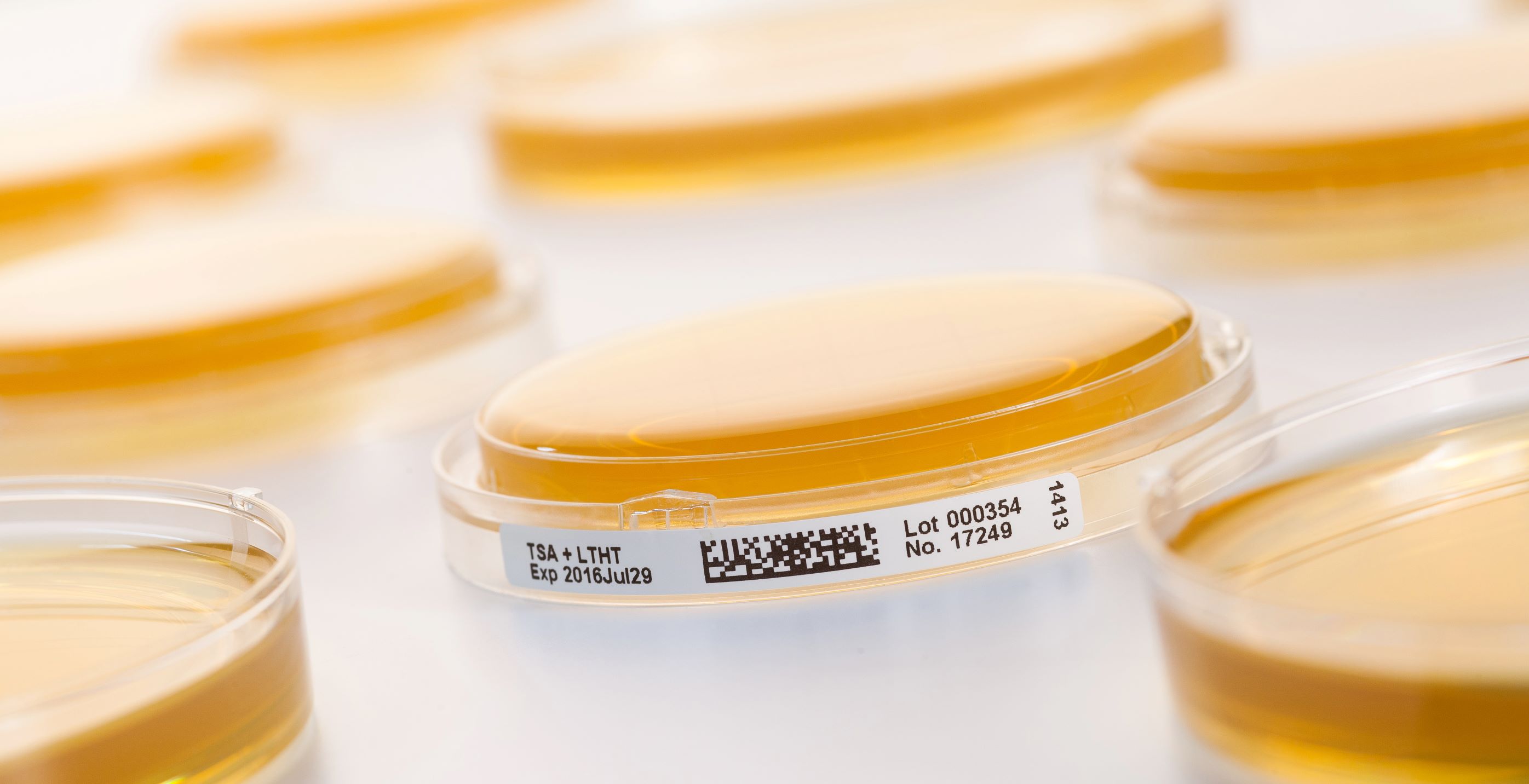
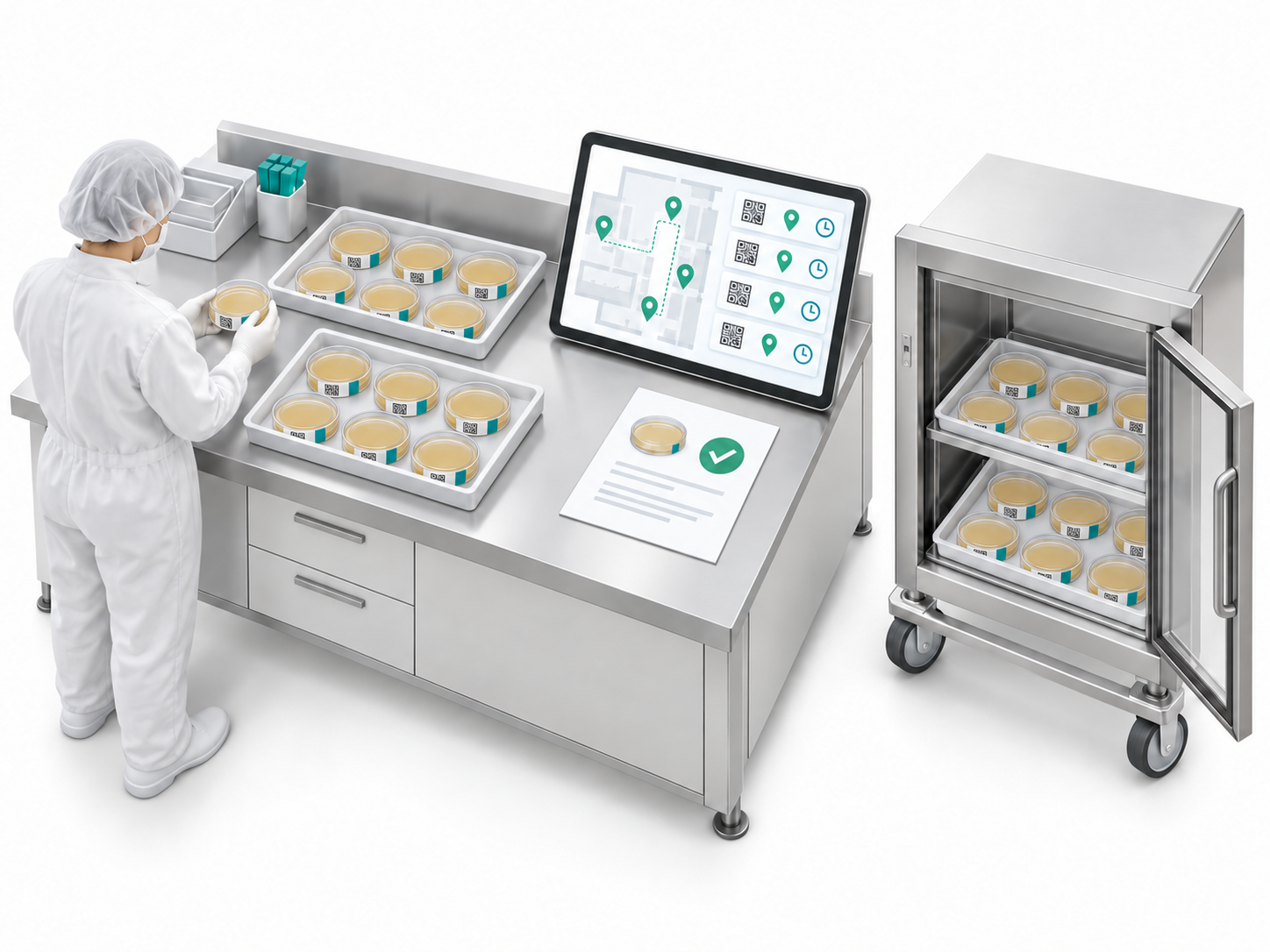
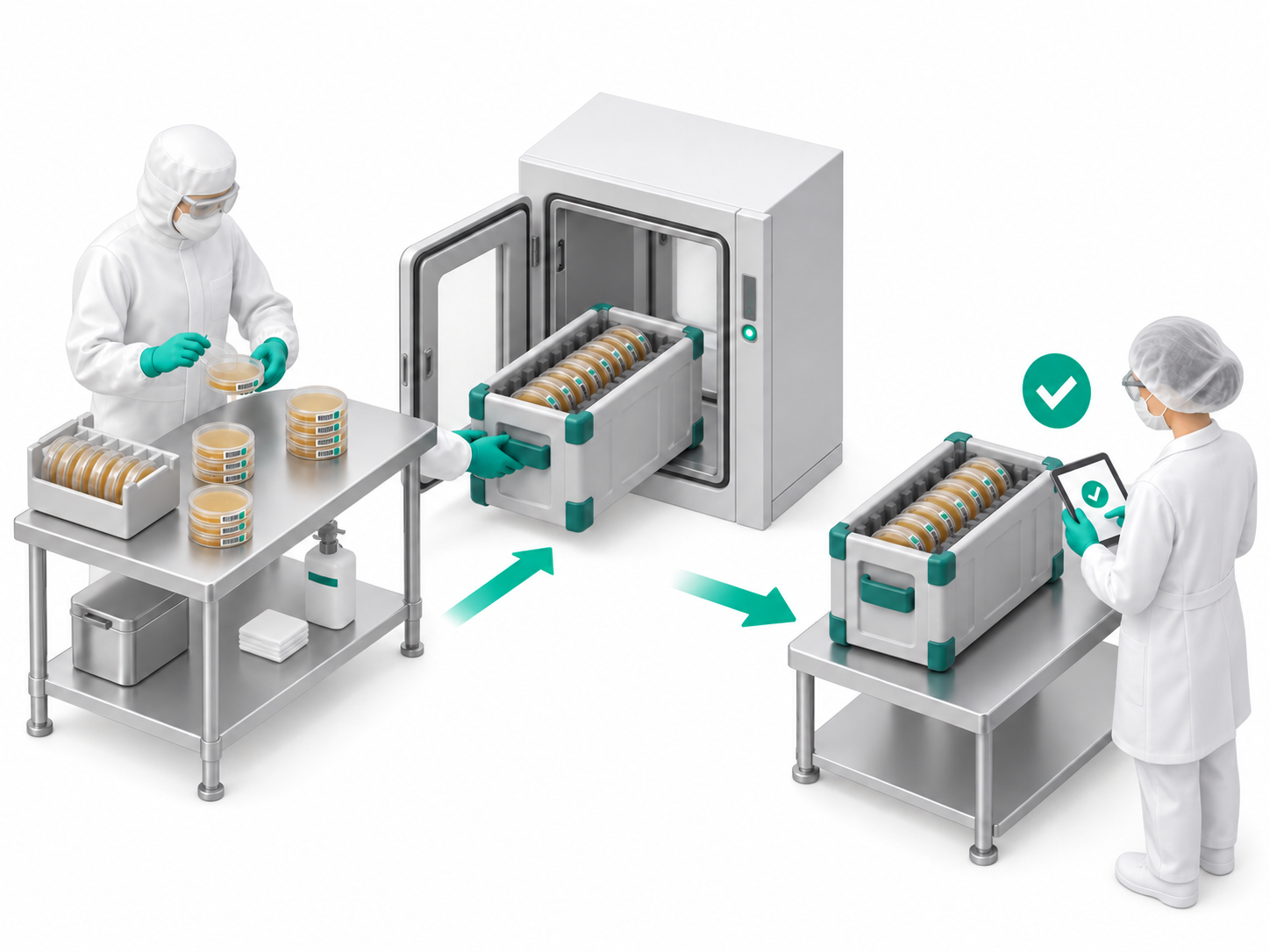
  • Based on the risk-based sampling plan, culture media plates are prepared, labeled for specific sampling locations and times, and introduced into the cleanroom area.
  • Requirements include: clear labeling of each plate prior to use; verification of media quality via batch release; and seamless traceability linking the plate, sampling location, and time.
  • However, the labeling applied here forms the basis for subsequent automated data association; without a machine-readable code on the plate, the analysis results must be documented manually.

02

Laying out the panels in the cleanroom

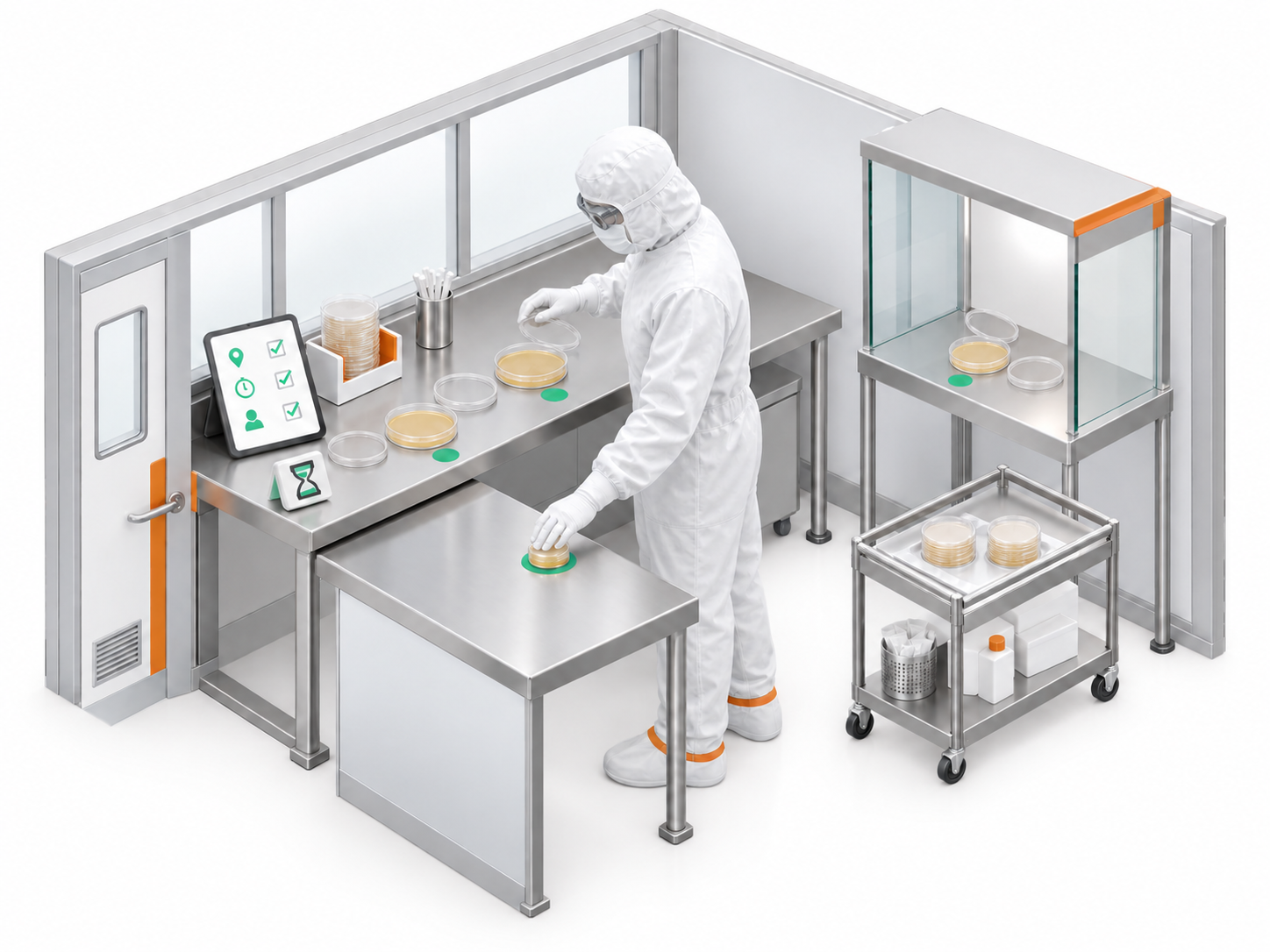
  • Sedimentation plates are placed open at designated locations for a defined exposure period. Contact plates are used for surface testing.
  • Requirements: aseptic handling to avoid introducing additional contamination; adherence to the maximum exposure time per plate; documentation of location, time, and the person performing the task.
  • This step determines the plate formats involved in subsequent stages—sedimentation plates and contact plates differ in diameter and agar surface area, and the evaluation process must accommodate both types.
03

Collection, sealing, and transport

  • Once the exposure time has elapsed, the plates are sealed, removed from the clean area, and transferred to the microbiology laboratory.
  • Requirements: Reliable identification of each plate’s sampling location; transport without damage to the lid or agar surface; documented handover to the laboratory.
  • Transport damage—such as cracks in the agar, detached agar sections, or damaged dishes—only becomes apparent during subsequent analysis and must be detected at that stage, as it invalidates the count results.
04

Incubation

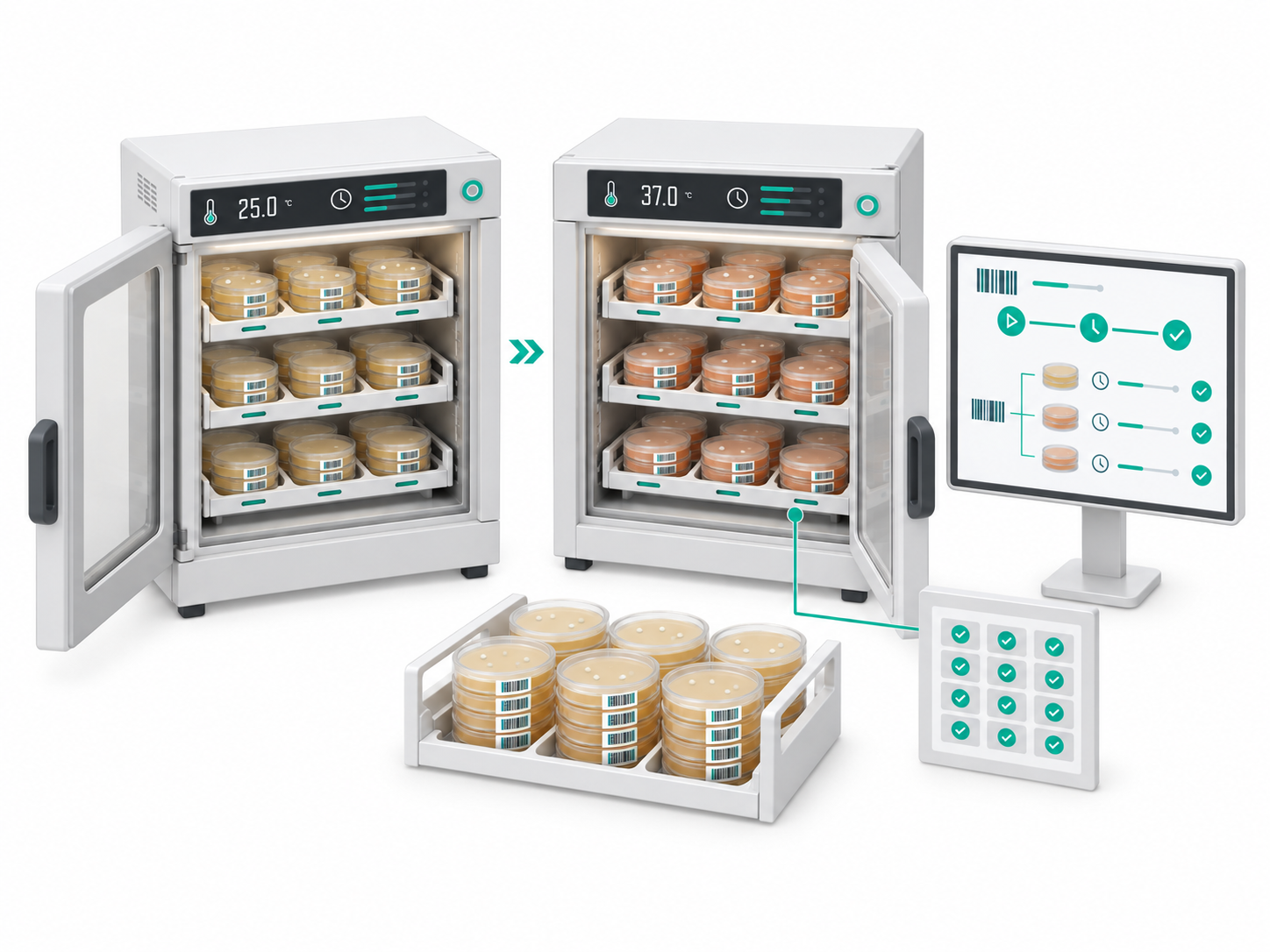
  • The plates are incubated for a set duration—typically involving multiple temperature stages—to detect both bacterial and fungal growth.
  • Requirements include constant, monitored incubation conditions; verification that all prepared plates are present; and traceability of the start and end times for each plate.
  • If intermediate readings are taken during incubation, multiple readings for the same plate are generated; these must be recorded separately during analysis while remaining linked to the same sample.
05

Analysis and logging

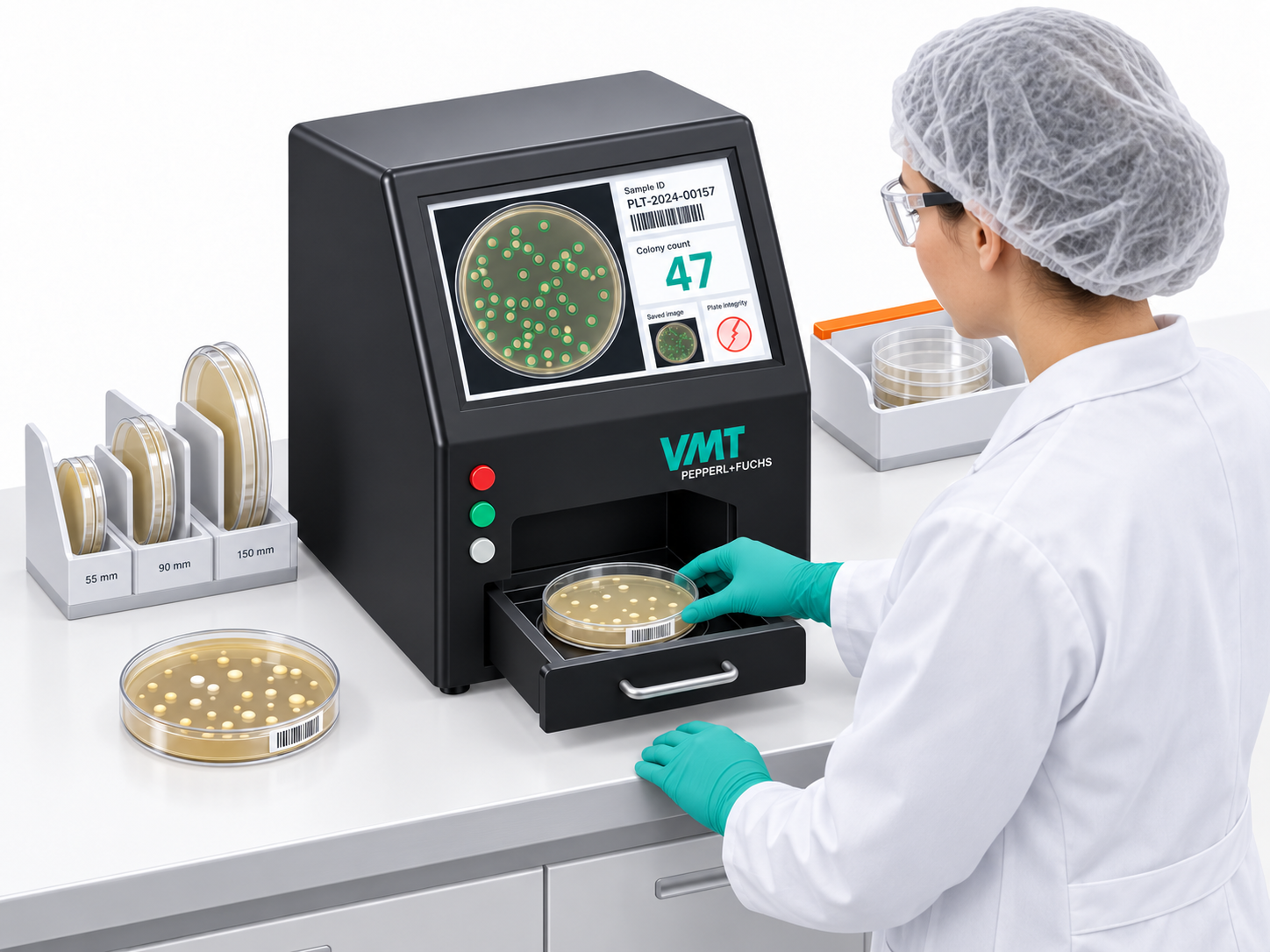
  • The incubated plates are analyzed: microbial growth is detected and counted, and the result is assigned to the sample and documented. When performed manually, this is the step in the overall environmental monitoring process most dependent on the operator.
  • Requirements include: detection of growth across the entire agar surface, independent of the operator or timing; assessment of the plate itself for damage that would invalidate the count; machine-readable plate identification as the basis for result assignment; and audit-proof storage of the count result, image, and sample association.
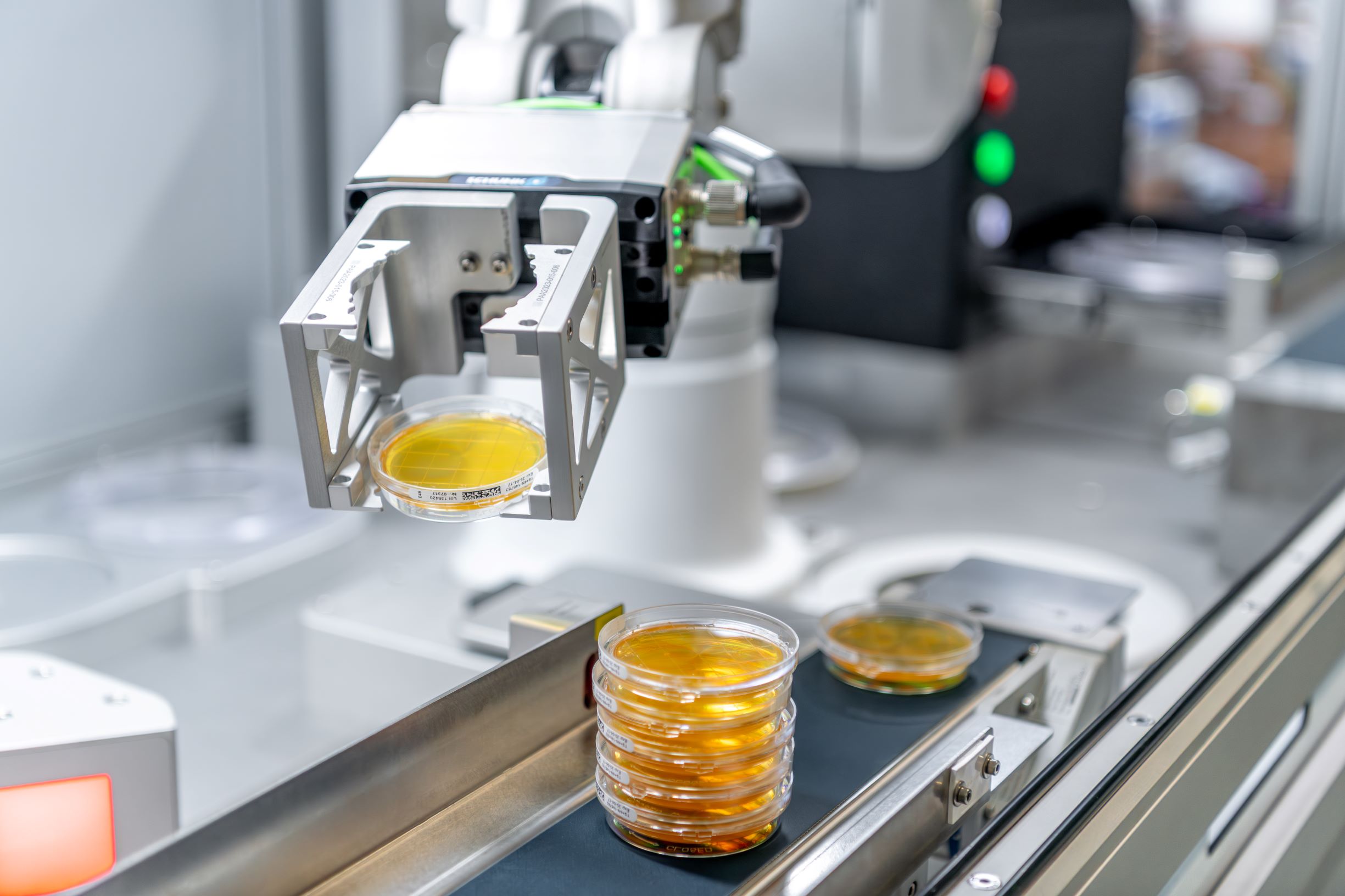
  • The system checks for the presence and extent of growth on the agar surface and verifies that the plate is undamaged. The plate barcode uniquely links the count result to the sample, ensuring that multiple analyses of the same plate remain traceable. Each detected colony is marked in the stored image, making the result verifiable. The system supports plates with diameters of 55, 90, and 150 mm and is available in manual, semi-automated (with a collaborative robot), or fully automated configurations. The solution meets user management and audit trail requirements mandated for environments governed by 21 CFR Part 11, cGMP, and GAMP.
  • Technology: VMT Hyproscreen
Back

Our team will be in touch as soon as possible.

FAST RESPONSE TIMES
EXPERT CONSULTING & SUPPORT
SOLUTION-DRIVEN APPROACH
01
02
03
04
Submit
Thank you! Your submission has been received!
Oops! Something went wrong while submitting the form.